Source Unisex Adventure Wool Felt Hat for Sports, Gifts, and Events
Compare 30 listings for the unisex adventure wool felt hat featuring customizable logos and multiple size options. Buyers can evaluate materials like 100% wool, production standards, and sample times from suppliers in China.
Key considerations
Products List




Comprehensive Sourcing Guide
Strategic Sourcing Guide for Unisex Adventure Wool Felt Hats
The global market for headwear has seen a significant shift toward durable, functional, and aesthetically versatile accessories that bridge the gap between outdoor utility and fashion. For procurement professionals seeking a unisex adventure wool felt hat, the sourcing landscape requires a nuanced understanding of material science, manufacturing capabilities, and supply chain reliability. This guide synthesizes available product data and industry standards to provide a structured approach for evaluating potential suppliers and defining product specifications. The focus remains on the unique attributes of wool felt, its suitability for adventure contexts, and the logistical parameters necessary for a successful bulk procurement.
Material Composition and Technical Specifications
The foundation of any high-quality adventure hat lies in its material composition. In the context of the available product data, 100% Wool is identified as a primary material option, distinguishing it from synthetic alternatives like polyester or cotton blends. Wool felt offers superior thermal regulation, making it particularly suitable for the "fall and winter" seasons explicitly noted in product attributes. The density and weight of the felt are critical; for instance, observed specifications indicate a single gross weight of 2.000kg for specific packaged units, suggesting a substantial, durable construction that can withstand outdoor elements.
When evaluating technical specifications, buyers must look beyond the generic term "wool felt" to specific manufacturing techniques. The data highlights Flat Embroidery as a relevant pattern technology, which implies a specific method of applying designs that integrates well with the texture of felt. Furthermore, the product attributes mention Silk Screen Printing and Sublimation Transfer Print as alternative or complementary decoration methods. While sublimation is often associated with synthetic fabrics, its inclusion in the data suggests that some suppliers may offer hybrid treatments or specific wool blends that accept these printing methods. However, for a pure wool adventure hat, flat embroidery remains the most traditional and durable application method for logos and patterns.
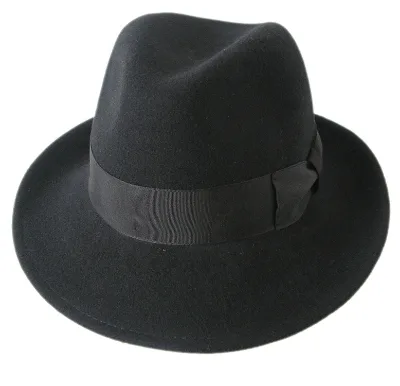
Size specifications are equally vital for a unisex product. The observed data lists specific circumference measurements: 56cm, 57cm, 58cm, 60cm, and 62cm. This range covers the majority of adult head sizes, ensuring the "Adults" age group classification is met. Additionally, the attribute Adjustable suggests the inclusion of internal bands or external straps, which is a crucial feature for adventure gear where fit must be secure during movement. The crown structure is noted as With Crown, indicating a structured shape rather than a floppy beanie, which is essential for the "adventure" aesthetic and functionality.
Compliance, Certification, and Regulatory Standards
Navigating the regulatory landscape is a non-negotiable aspect of B2B procurement, especially when sourcing from international markets. The supplied facts indicate that products may carry CE and RoHS certifications. These are significant markers of compliance for the European market. CE marking suggests that the product meets EU safety, health, and environmental protection requirements, while RoHS (Restriction of Hazardous Substances) ensures that the materials used do not contain specific hazardous chemicals.
However, buyers must exercise caution. The data lists these standards alongside other attributes that may belong to different product lines or specific SKUs. For example, the HS Code 65050091 is provided, which generally covers hats and other headgear, knitted or crocheted, or made up of felt. Verifying that the specific wool felt hat aligns with this classification is essential for accurate customs duty calculation. Furthermore, the presence of a CE mark does not automatically apply to all wool products; it typically applies to items with electrical components or specific safety claims. In the context of a felt hat, this might relate to fire retardancy or chemical safety, but the buyer must request the specific test reports to confirm the scope of the certification.
For adventure gear, additional standards regarding flammability and chemical safety (such as REACH in Europe) should be verified. The data mentions available hat test, which implies that suppliers can provide third-party verification of the product's quality and safety. Procurement teams should explicitly request these test results to ensure the wool felt does not contain harmful dyes or finishes that could cause skin irritation during prolonged outdoor use.
Cost Drivers and Pricing Dynamics
Understanding the cost structure of wool felt hats is essential for budgeting and margin analysis. The observed price range in the market data spans from 0.01 to 99.9 USD, a wide variance that reflects differences in material quality, order volume, and customization complexity. The lower end of this spectrum likely represents basic, mass-produced items with minimal customization, while the higher end reflects premium wool, intricate embroidery, and complex packaging.
Several factors drive the final cost. Material sourcing is the primary driver; 100% wool is inherently more expensive than synthetic blends. The Customization attribute, which is listed as available, adds significant cost. Options such as Embroidery, Heat Transfer Printing, and Silk Screen Printing require setup fees and per-unit labor costs. The MOQ (Minimum Order Quantity) is another critical cost driver. While the general observed MOQ range is 1-4000, specific product data points to an MOQ of 500PCS. Ordering below this threshold may result in higher per-unit costs or may not be feasible at all.
Packaging also influences cost. The data specifies 1PC/OPP Bag, 250PCS/CTN (Carton) as a standard packing method. Custom packaging solutions, such as branded boxes or specific cartons with dimensions of 50x7x12cm, will increase the unit price. Buyers should negotiate these variables carefully, as the Carton packing standard suggests a need for efficient logistics, but any deviation from the standard will impact the total landed cost.
Typical Applications and Usage Scenarios
The versatility of the unisex adventure wool felt hat makes it suitable for a wide array of applications. The data explicitly categorizes the product as a Promotional Cap and notes its Usage as a Gift. This dual classification highlights its utility in corporate branding, event giveaways, and marketing campaigns. The Logo attributes, including Embroidery/Heat Transfer Printing and the ability to print customized logo, reinforce its role as a branding tool.
Beyond promotional use, the Applicable scene is listed as Sports, and the Season includes Summer, Spring / Autumn, and Autumn. This suggests the hat is designed for active use in varying weather conditions. The Pattern Type and Pattern Theme data, which include Animal and Plant motifs, indicate that these hats are often used for fashion-forward outdoor activities, such as hiking, camping, or equestrian sports. The Dobby style and Checked pattern options further suggest a fashion-oriented appeal that complements outdoor attire.
The Unisex gender classification ensures that the product can be marketed to a broad audience without the need for separate sizing or styling lines, simplifying inventory management. Whether used as a functional piece of gear for fall and winter adventures or as a stylish accessory for summer outings, the hat's design must balance durability with aesthetic appeal.
Supplier Evaluation and Operational Capabilities
Selecting the right supplier requires a thorough evaluation of their operational capabilities and reliability. The data indicates that the Place of Origin is Hebei, China, and the prod_origin is listed as Zhejiang. These are major manufacturing hubs in China known for textile production. Buyers should verify the specific factory location to ensure it aligns with their quality expectations and logistical preferences.
Key operational metrics to evaluate include Sample Time and Sample payment. The data shows a Sample time of 1-3 days for some items and 7-15 days for others. This discrepancy highlights the need to clarify the timeline for the specific product being ordered. The Sample payment methods, such as paypal or western union, are standard but should be confirmed for security and convenience.
The Catalogue attribute mentions a free catalogue, which is a valuable resource for buyers to explore design options. Additionally, the Color card is available for free, allowing buyers to assess color accuracy before committing to a large order. The OEM (Original Equipment Manufacturer) capability is explicitly stated as accept, indicating that suppliers are willing to produce custom designs under the buyer's brand. This is crucial for companies looking to create a unique product line.
Quality Control and Long-Term Procurement Strategy
Ensuring consistent quality is paramount in long-term procurement. The Quality attribute is described as Fine, but this is a subjective term. Buyers must implement a robust quality control (QC) protocol. The Test attribute mentions available hat test, which should be leveraged to verify the structural integrity of the felt, the durability of the embroidery, and the accuracy of the sizing.
For long-term success, buyers should establish clear communication channels regarding Production Standards. The prod_standard is listed as 50x7x12cm for packaging, but the physical product standards (e.g., felt density, stitch count) need to be defined in the purchase order. The Single Package Size of 45X42X60.Cm provides a baseline for logistics planning, but buyers should confirm if this includes the inner packaging or just the outer carton.
A sustainable procurement strategy involves building a relationship with suppliers who can scale production. The MOQ of 500PCS is a starting point, but buyers should negotiate tiered pricing for larger volumes. The Lead Time is not explicitly defined in the data, but the Sample Time of up to 15 days suggests that full production will take longer. Buyers should request a detailed production schedule to manage inventory levels effectively.
Comparative Analysis of Product Attributes
To facilitate decision-making, the following table summarizes key attributes observed in the product data, highlighting the variations and specific requirements for sourcing a unisex adventure wool felt hat.
| Attribute Category | Observed Value / Option | Procurement Consideration |
|---|---|---|
| Material | 100% Wool | Verify wool grade and origin for durability and warmth. |
| Style | Dobby, Checked, With Crown | Ensure style matches the "adventure" aesthetic and functional needs. |
| Pattern Tech | Flat Embroidery, Silk Screen, Sublimation | Confirm compatibility with wool felt; embroidery is most durable. |
| Size Range | 56cm - 62cm | Verify fit for target demographic; adjustable features are preferred. |
| Season | Fall, Winter, Summer, Spring/Autumn | Select appropriate weight/thickness of felt for intended season. |
| Certification | CE, RoHS | Request specific test reports to validate scope of compliance. |
| MOQ | 500 PCS (Specific) / 1-4000 (General) | Plan inventory to meet minimums; negotiate for smaller trial runs. |
| Packaging | 1PC/OPP Bag, 250PCS/CTN | Confirm carton dimensions (50x7x12cm) for shipping efficiency. |
| Customization | Logo, Color, Size | Define exact requirements for logo placement and color matching. |
| Origin | Hebei, Zhejiang, China | Verify factory location for logistics and quality assurance. |
In conclusion, sourcing a unisex adventure wool felt hat requires a meticulous approach that balances material quality, regulatory compliance, and supplier reliability. By leveraging the specific data points regarding material composition, sizing, and customization options, buyers can make informed decisions that align with their brand values and operational goals. The wide range of observed attributes offers flexibility, but it also demands rigorous verification to ensure the final product meets the high standards expected in the adventure and promotional markets.
FAQs
What material is used for the unisex adventure wool felt hat?
The hat is made from 100% wool, ensuring durability and thermal regulation. This material is suitable for fall and winter seasons, providing warmth during outdoor activities while maintaining a structured crown shape.
Can I customize the logo on the wool felt hat?
Yes, customization is available with options for embroidery, heat transfer printing, and silk screen printing. Buyers can request specific designs, and the supplier accepts OEM orders to meet unique branding requirements.
What is the minimum order quantity for this product?
The minimum order quantity is 500 pieces for standard orders. While some listings show a range starting from one unit, the confirmed requirement for bulk procurement is typically set at this specific threshold.
Which certifications apply to the wool felt hat production?
Products may carry CE and RoHS certifications to meet European safety and environmental standards. Buyers should verify specific test reports to confirm the scope of these certifications for their intended market.
How long does it take to receive a sample?
Sample times vary between 1 to 3 days or 7 to 15 days depending on the specific item configuration. Payment for samples can be processed via PayPal or Western Union to expedite the process.
What sizes are available for the unisex adventure hat?
Available sizes include 56cm, 57cm, 58cm, 60cm, and 62cm to fit most adult head circumferences. The hat features an adjustable design, allowing for a secure fit during various adventure activities.